Pit report · November 16, 2026
Field notes: the quarter an electrification pledge didn't reach the dozers
A press release crossed my desk back in August: a mining major, flagship electrification pledge, battery-electric haul trucks by 2029, "accelerating the transition" language throughout. The kind of paragraph that gets forwarded around an investor relations team with three exclamation points. I read it the way I read most of these now, which is to say I filed it and waited for the next quarterly pass to tell me something the press release couldn't.
Dozer fleets are a good test case for this, and an underrated one. Everyone watches the haul trucks because that's where the diesel burn lives and that's where the OEM battery-electric programs get photographed. Dozers get a sentence, maybe a footnote about "piloting electrified support equipment," and then the narrative moves on. Nobody checks the footnote.
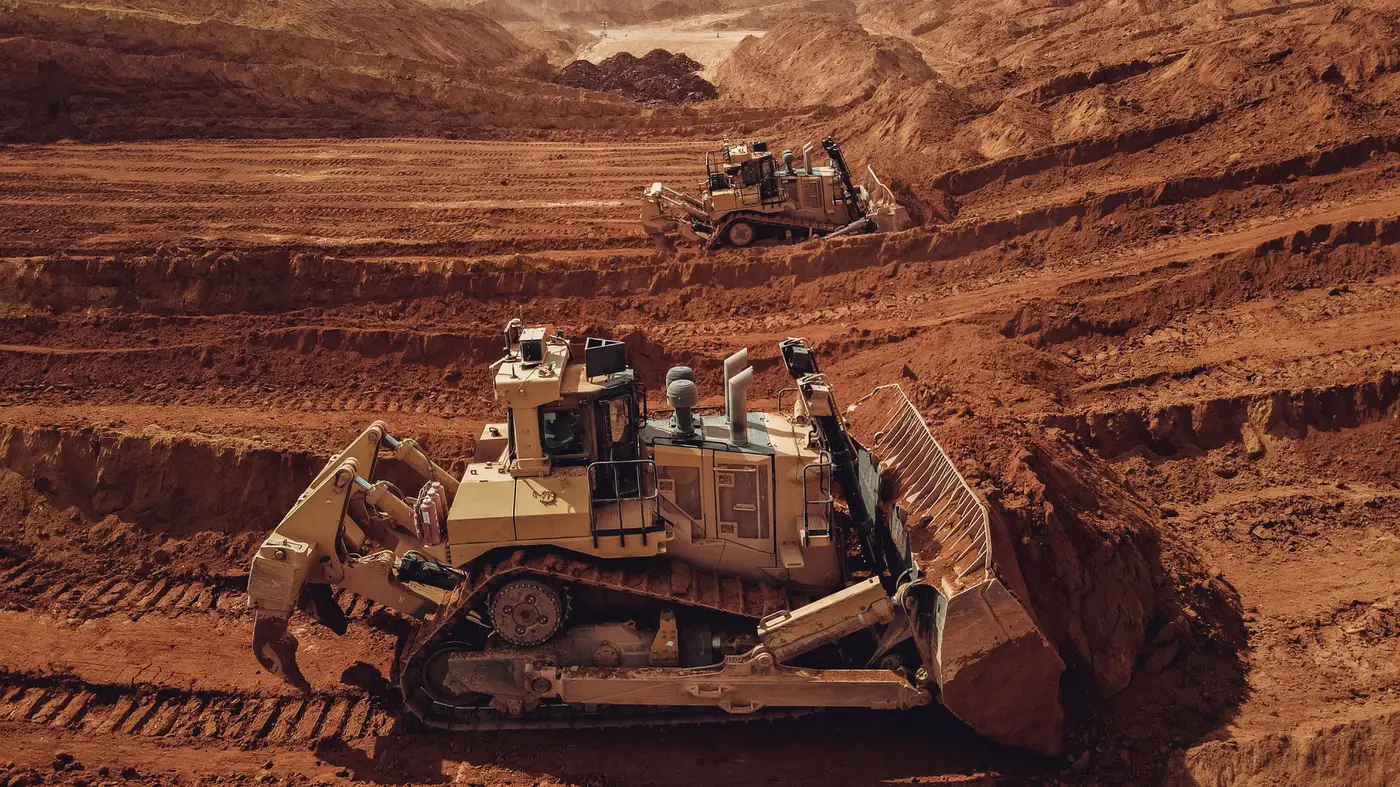
So I checked it. Four pits, same operator, same quarter the pledge dropped. I pulled the monthly counts I already had running and tallied dozer type at each site: Cat D11s at the big one, a mix of D375s and D11s at two of the others, a scatter of smaller units doing bench cleanup at the fourth. Then I waited three months and did it again.
Nothing moved. Not a reshuffle, not a retirement, not one new unit showing up anywhere in the mix. The same dozer fleet that was on the bench in July was on the bench in October, same manufacturer split, same rough headcount per site. Whatever capital the pledge was describing, none of it touched the push fleet at any of the four operations I was watching.
That's not necessarily a scandal. It might just mean the electrification money went where the fuel burn is biggest, which for most hard-rock operations is the haul fleet by a wide margin, and dozers were never going to be first in line regardless of what the pledge implied. A support fleet turns over slowly anyway. Rebuild cycles and lease terms don't care what the sustainability report said in March. But that's exactly the gap between a pledge and a procurement order, and it's a gap you can only see by counting iron on the ground, not by reading the forward-looking statement that described it.
What struck me more was how confidently the release implied fleet-wide movement when the actual unit that moves slowest and shows up in every glossy slide deck, the dozer, hadn't budged an inch. If I'm sizing this operator's real transition timeline for a client, the haul truck swap-outs matter, but so does the fact that the rest of the fleet is sitting still. A company that's genuinely mid-transition usually shows some churn somewhere outside the headline asset class too. Here there wasn't any, at least not yet, at least not where I could see it.
The honest version of this story is probably "too early to tell." Three months is one data point against a multi-year pledge, and I'll run the same count again next quarter and the one after that. But it's worth saying plainly that the gap between what gets announced and what gets deployed on a bench is a real gap, measured in months and quarters, and the only way to close it is to keep looking at the pit floor instead of the press release calendar.
This is the whole reason I run a pit-by-pit roster on every operator I track rather than trusting the narrative they publish about themselves, and it's the same discipline behind the tool at the center of this site: a monthly, pit-by-pit fleet count by manufacturer type that you can hold up against any pledge. If you're sizing a competitor's transition the same way, watching the dozers is as telling as watching the trucks.