Pit report · Notes
Blog
November 16, 2026
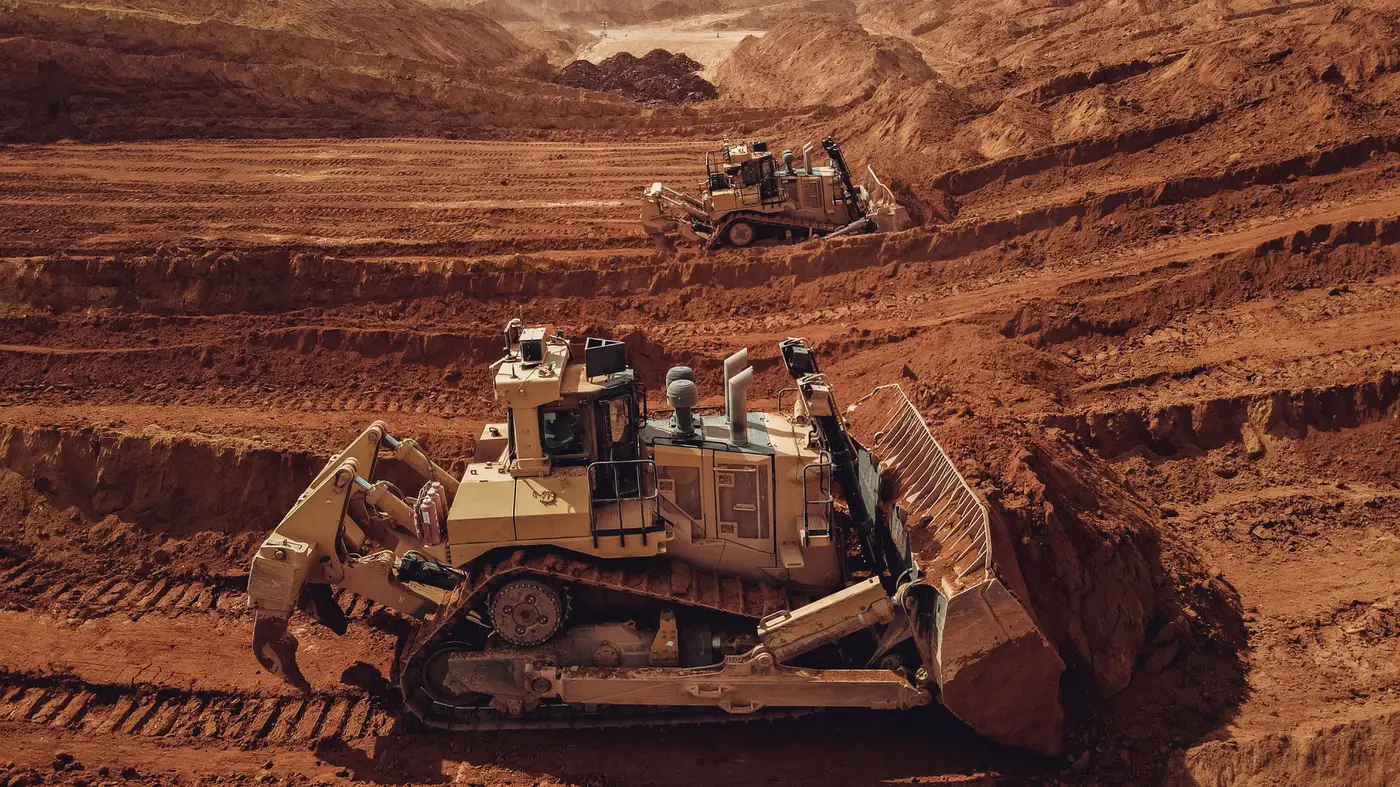 Field notes: the quarter an electrification pledge didn't reach the dozers
A quarter spent counting dozer fleets against a mining major's electrification pledge, pit by pit, to see if the capital actually moved.
November 16, 2026
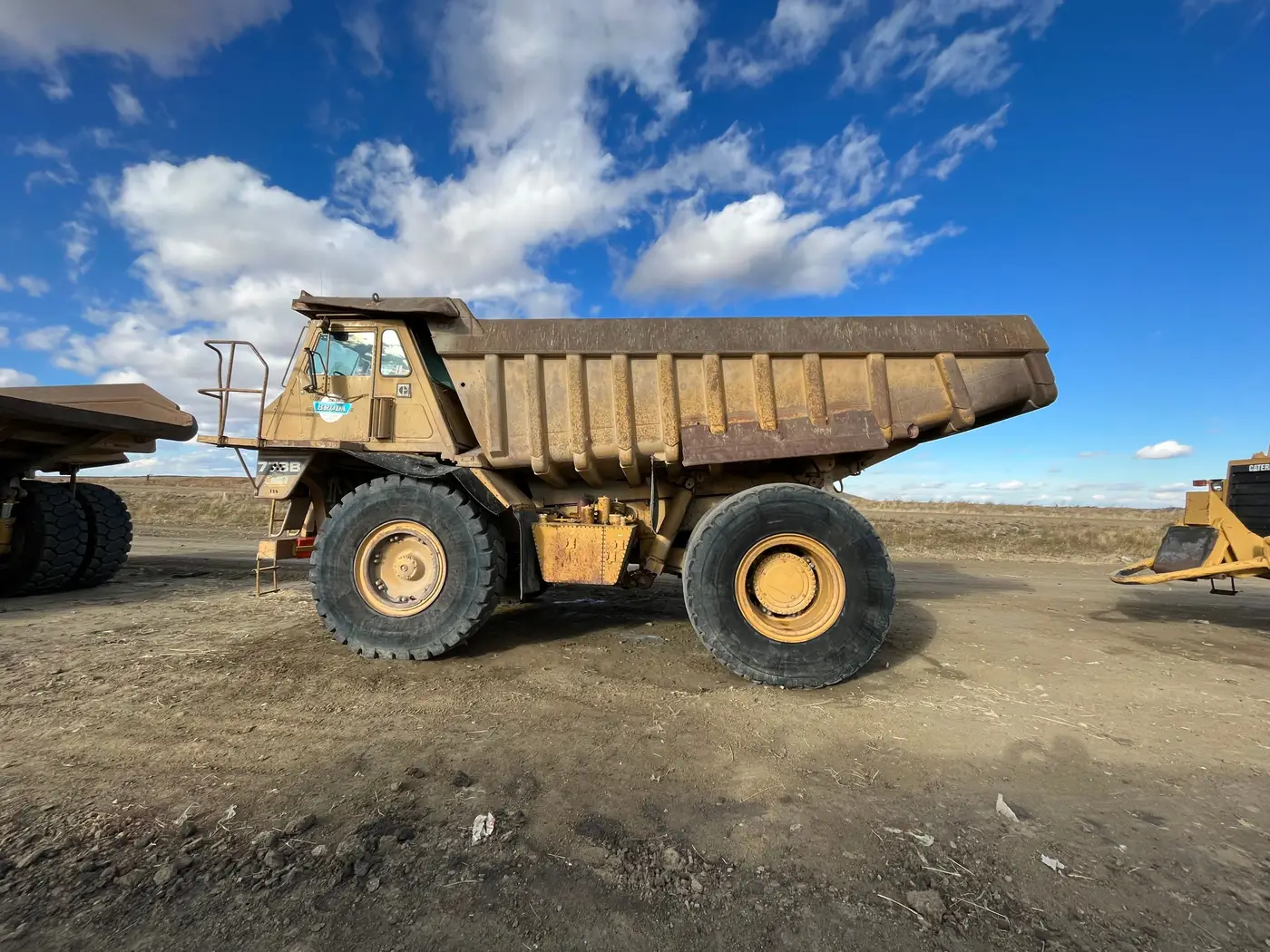 Leased vs owned haul trucks: why the paint job won't tell you
You can't ID a lease vs an owned haul truck from overhead imagery. Here's what you can actually measure, and what it tells you about OEM fleet mix.
November 9, 2026
 Contract miner vs owner-operator fleet: how to tell them apart in satellite imagery
How to read OEM mix, fleet consistency and changeover patterns in satellite passes to tell a contract mining fleet from an owner-operator fleet.
November 9, 2026
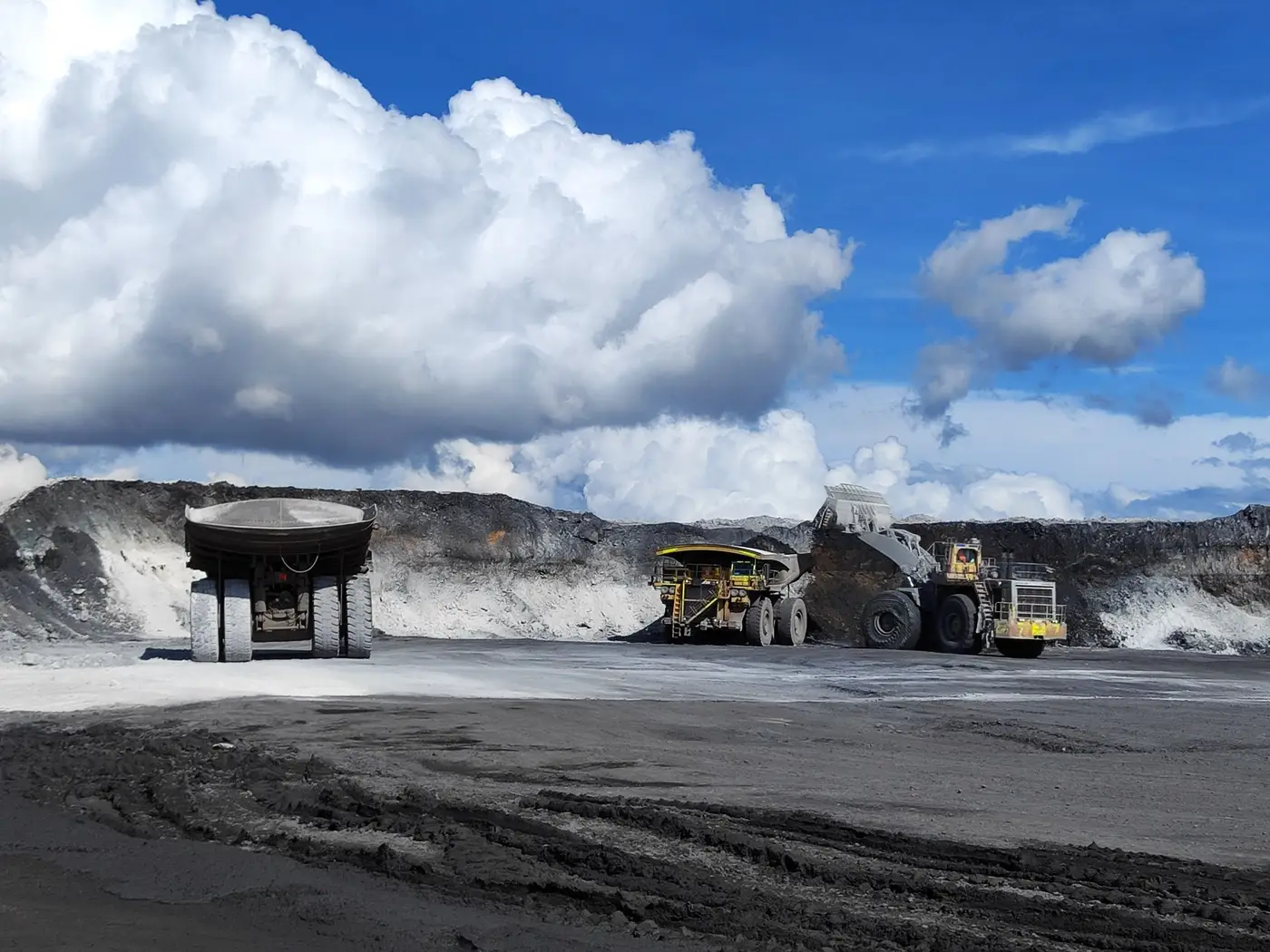 What is fleet mix drift, and why a single pit count misses it
Fleet mix drift is the slow turnover in which OEM builds a pit. One count can't show it. Here's what tracking it month to month reveals.
November 2, 2026
Field notes: the week a Chinese-built haul truck showed up at a Tier-1 pitA single Chinese-built haul truck turns up at a Tier-1 pit. What a pilot unit in an established fleet signals, and how to track it.
November 2, 2026
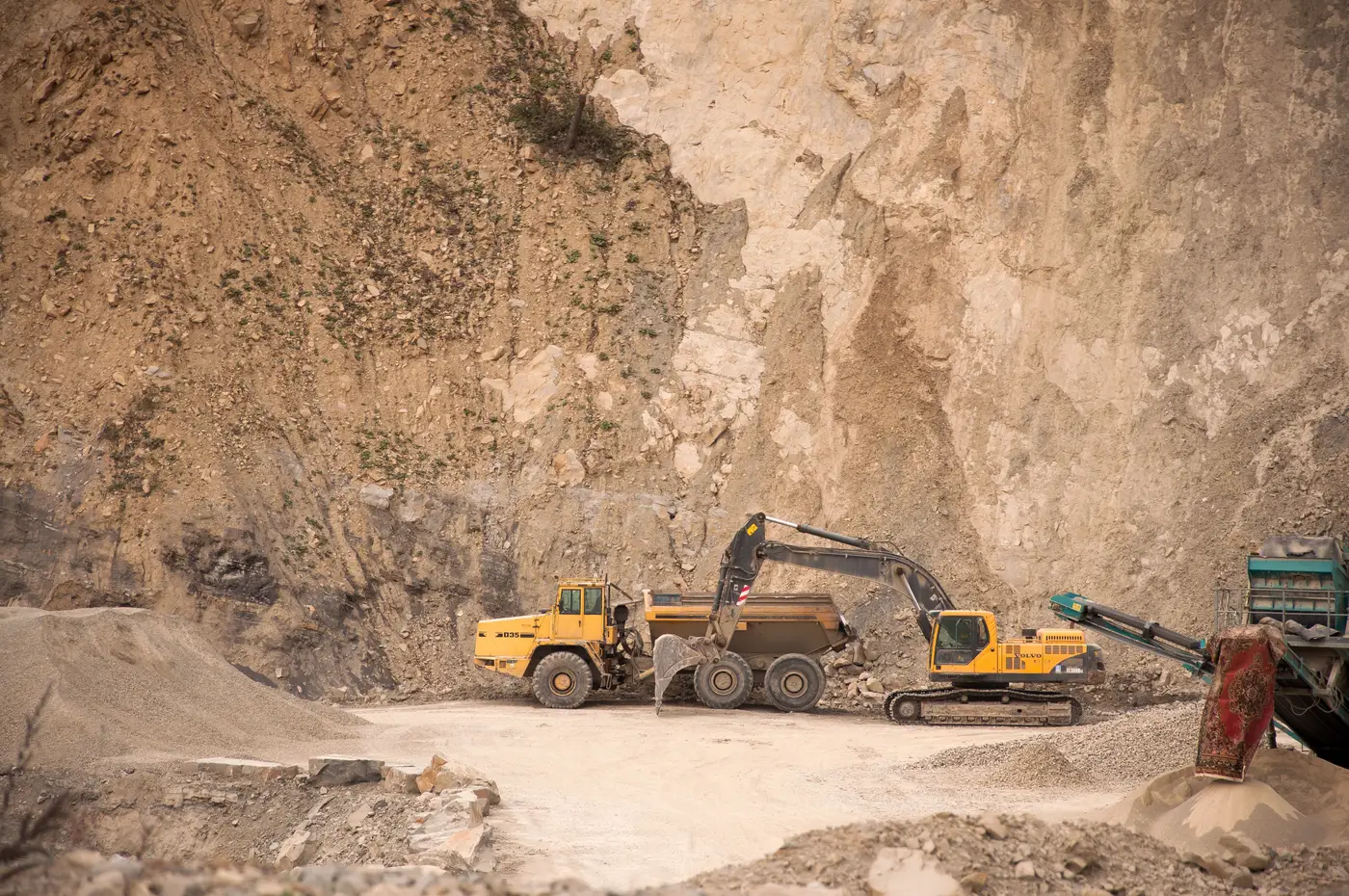 How to tell a water truck from a haul truck in satellite imagery
Visual cues for separating water trucks and dust suppression units from production haul trucks when you're counting fleet from VHR imagery.
October 26, 2026
Fleet refresh or one-off swap? Reading a pit's equipment count over timeHow to separate a real OEM fleet turnover at a pit from a one-off equipment swap, using persistence in a monthly fleet count time series.
October 26, 2026
What counts as an active pit when you're sizing a competitor's fleetA practical definition of active vs. dormant pit status for analysts counting a competitor's haul trucks, excavators and dozers pit by pit.
October 19, 2026
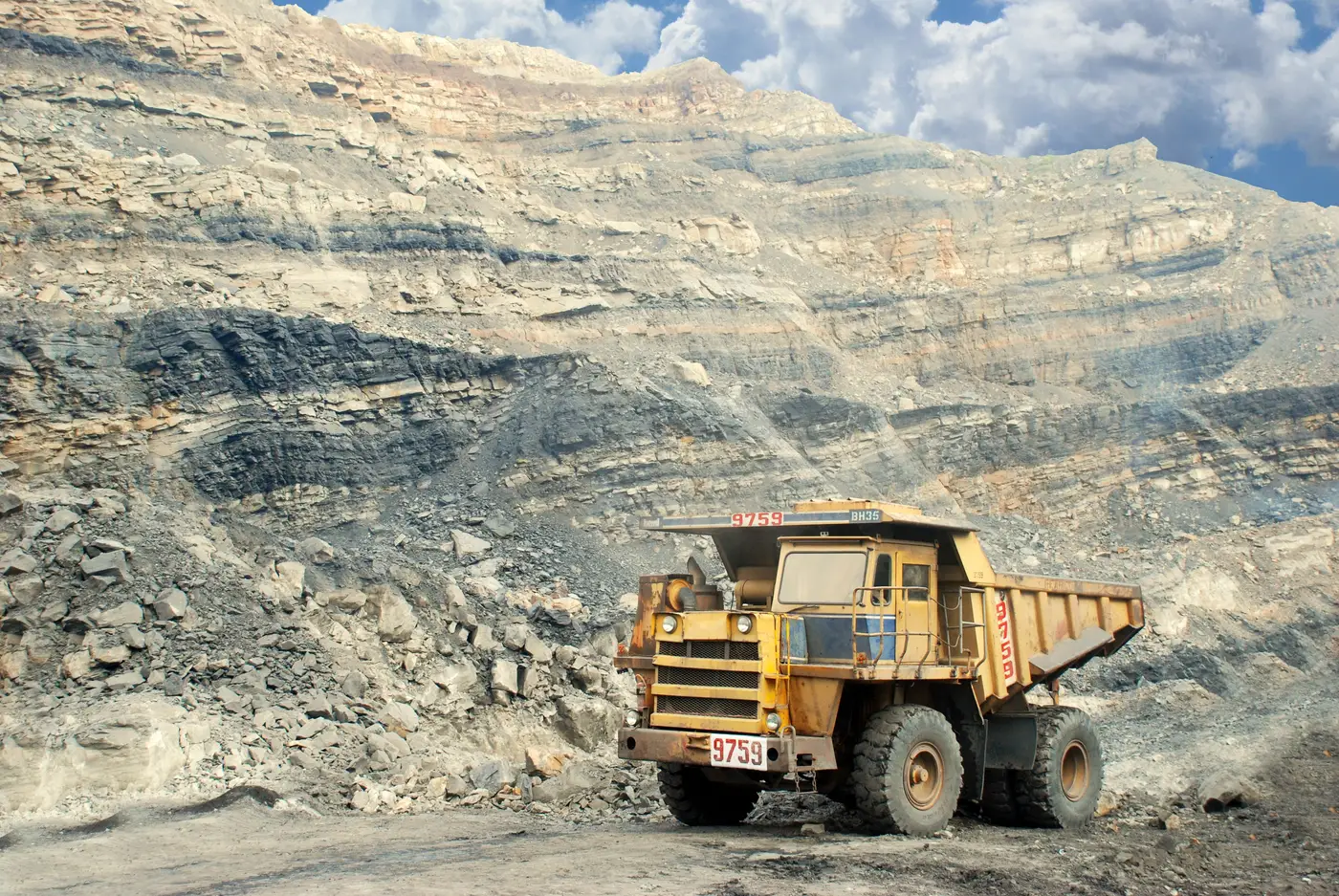 Field notes: the pit that swapped its entire haul fleet in eighteen months
A field-notes look at full fleet turnovers at active pits, why they happen fast, and why most competitive intelligence catches them too late.
October 19, 2026
How to tell a rope shovel from a hydraulic excavator in satellite imageryA field guide to reading boom geometry, counterweight shape and shadow on sub-meter satellite imagery to ID rope shovels vs hydraulic excavators.
October 14, 2026
Reading haul truck OEM from dump body shape in satellite imageryA field guide to spotting rigid-frame haul truck OEM from dump body shape and chassis cues in high-res satellite imagery.
October 14, 2026
Rope shovel or hydraulic excavator: reading the digging unit from overheadHow to classify a rope shovel vs. a hydraulic excavator from overhead imagery, using boom geometry, bench position and track gauge.
October 13, 2026
Autonomous vs manned haul trucks: what overhead imagery showsHow analysts tell autonomous haul trucks from manned ones in satellite passes, and why OEM identification is the more reliable signal.
October 13, 2026
What is fleet standardization, and why do some pits run one OEM?Fleet standardization explained: why some open-pit mines run a single OEM, what a mixed fleet signals, and how to read the mix from outside the gate.
October 7, 2026
How to avoid double-counting equipment between neighboring pitsHow shared haul trucks and dozers at adjacent pits inflate competitor fleet counts, and how to allocate units correctly across a multi-pit complex.
October 7, 2026
Rigid-frame vs articulated haul trucks in satellite imageryHow to tell rigid-frame and articulated haul trucks apart in sub-half-meter satellite imagery: size, wheel count, body shape, and pit context.
October 7, 2026
Ultra-class vs standard-class haul trucks: telling them apart from overhead imageryHow to tell ultra-class from standard-class haul trucks in satellite imagery using length, tray footprint, shadow, and ramp geometry.
October 7, 2026
What is a payload class, and why it matters for fleet sizingA plain explanation of haul truck payload class, how it's read from a pit, and why tonnage class changes everything in a fleet count.