Pit report · October 26, 2026
Fleet refresh or one-off swap? Reading a pit's equipment count over time
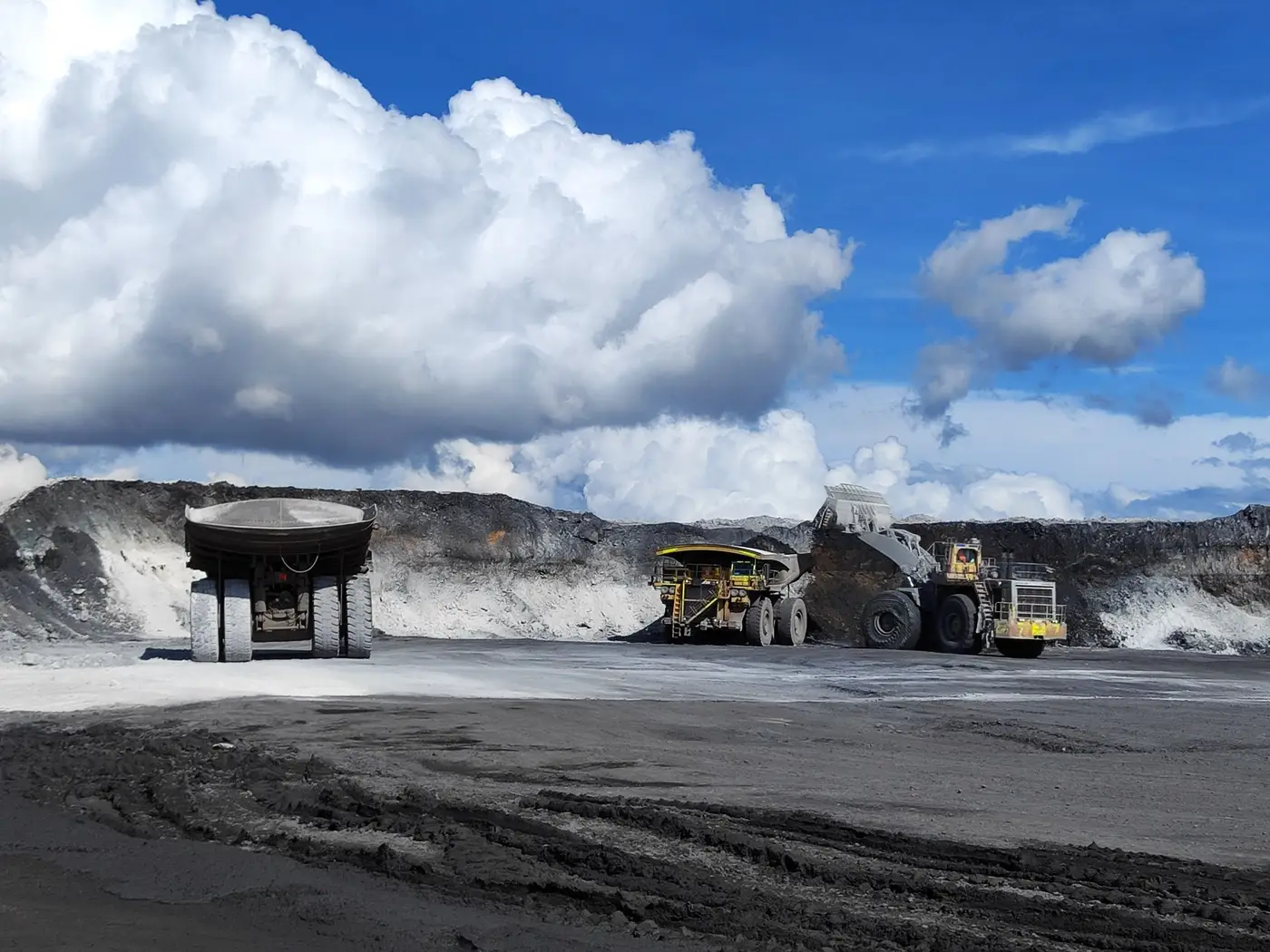
You're looking at a pit where last month's pass showed four CAT haul trucks and now shows three CAT and one Komatsu. Is that the competitor rotating a tired unit out for a rebuild, or the first visible piece of a real OEM switch on that lease? Get this wrong in a report and you either call a trend that never happens or you miss one that's already underway.
The short answer: one count change at one pit, in one month, is just a data point. You answer refresh versus swap with persistence over time, across multiple passes.
Why a single count change doesn't tell you anything
Open pits swap individual machines for reasons that have nothing to do with fleet strategy. A truck goes down for a major component change and a leased unit covers the gap for six to ten weeks. A contractor working a satellite pit brings in whatever's sitting idle at their yard that month, regardless of brand. A dozer gets moved between two pits the same operator runs a few hundred kilometers apart, and shows up as "new" at one site and "gone" from the other.
None of that is a fleet mix shift. It's the normal churn of running equipment on a working site, and if you're counting trucks and excavators by manufacturer on a monthly cadence, you will see this kind of noise constantly. The mistake is treating the first instance of a changed count as the start of a trend line, when it's usually just one machine doing one job.
Contract timing matters here too. If a mine's existing fleet agreement with its primary OEM still has two or three years to run, a single substituted unit is almost certainly operational, not strategic. OEMs don't typically walk away mid-contract for one truck. Check what you already know about the site's procurement cycle before you read anything into the count itself.
What persistence actually looks like in a time series
A real refresh shows up differently. The new OEM's unit count climbs pit by pit, or class by class, across multiple consecutive passes, and holds at the new level. One Komatsu shows up for a month, then two, then three, over a run of quarters, while the incumbent brand's count at that pit holds flat or declines in step. The mix moves in one direction and stays moved.
Class consistency is the other tell. A genuine fleet turnover tends to hit more than one equipment class at a similar pace, because a mine planning department replacing its haul fleet is usually also re-bidding excavators and dozers around the same capital cycle, even if the rollout staggers by a few months. A swap that only ever touches one truck, in one class, at one pit, and never spreads, is much more likely to be a maintenance substitution that happened to land during your observation window.
Multi-pit operators give you a cross-check a single site can't. The same OEM switch appearing at one pit this quarter and a second pit belonging to the same operator six months later marks a company-level pattern. Watching only one pit, you'd have called it noise. Watching the operator's full portfolio, the trend is visible months earlier.
Practically, this means you shouldn't flag a fleet mix change off two passes. Give it four to six months of count history before you write it up as a turnover rather than a one-off. The pits you're tracking rarely move fast enough that waiting a quarter costs you the story, and the cost of reporting a false signal to a client who then builds a capacity plan around it is a lot higher than the cost of patience.
This is exactly the gap between a single satellite image and a usable competitive read: a pit-by-pit fleet roster that tracks manufacturer-type counts month over month gives you the run of data you need to tell a real swap from a passing one. If sizing a competitor's installed base pit by pit is part of your job, it's worth seeing what that roster looks like for the sites you already track.