Pit report · November 16, 2026
Leased vs owned haul trucks: why the paint job won't tell you
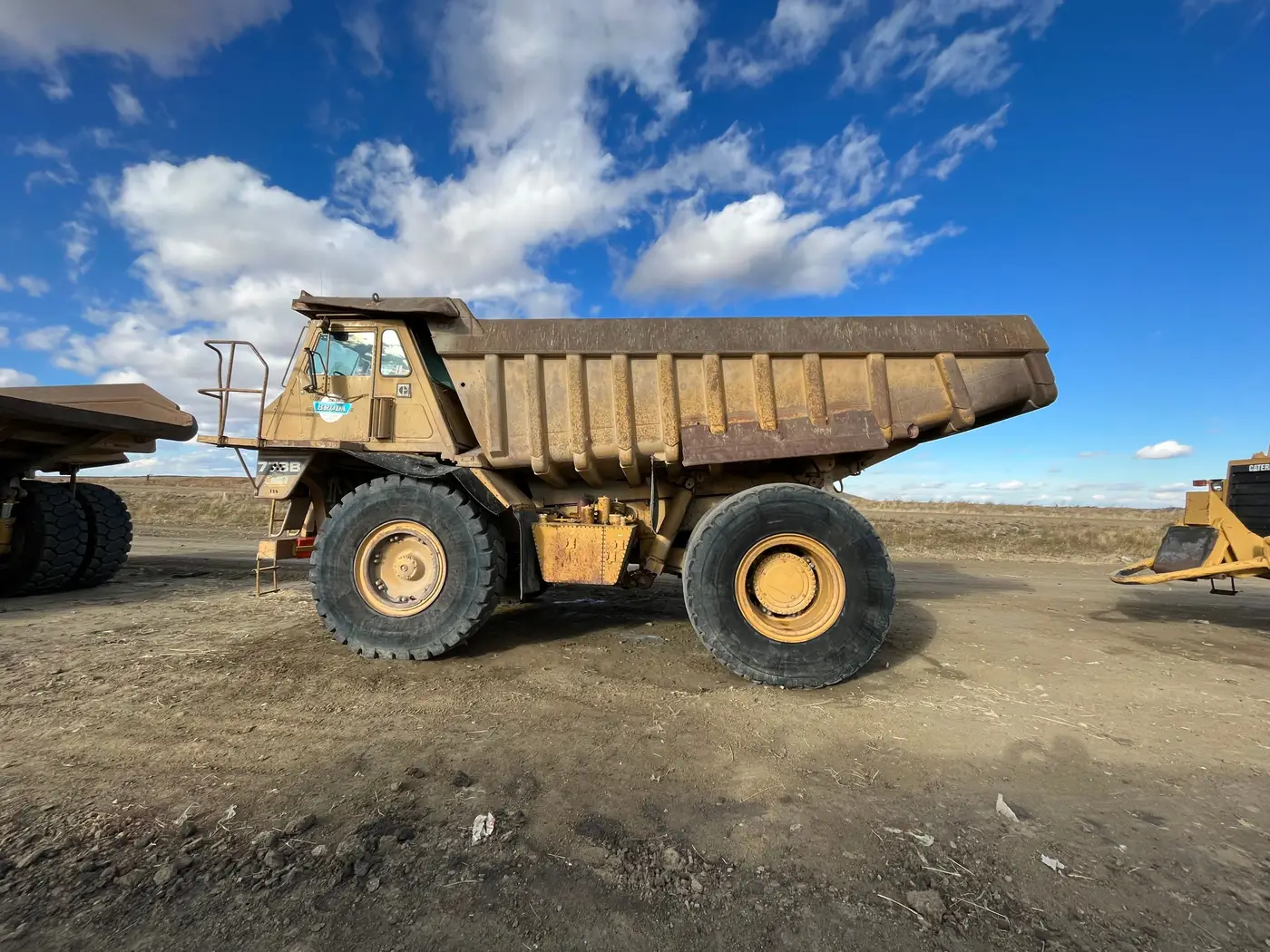
An analyst asked us last month whether a 0.5 m satellite pass could separate a mine's owned trucks from its leased ones. Short answer: no, and anyone who tells you otherwise is guessing at a level of detail imagery doesn't carry. Longer answer below, because the question itself points at something useful once you reframe it.
What a pixel can and can't tell you
A haul truck in a 0.5 m pan-sharpened RGB frame gives you a shape, a bed configuration, a shadow length, and a livery if the operator hasn't repainted it. That's enough to call manufacturer type with reasonable confidence: a 793 reads different from a 980E, which reads different again from an MT6300, once you've looked at a few hundred of each. What that same pixel can't give you is a title record. Ownership structure, whether the unit sits on the mine's balance sheet, runs under an operating lease, or belongs to a contract miner's own fleet, lives in a financing agreement, not in the truck's geometry. No amount of resolution fixes that. A leased CAT and an owned CAT look the same overhead, because they are the same machine built the same way.
This trips people up because the instinct is reasonable: surely a leased fleet looks newer, surely a financed batch arrives in a matching color run. Sometimes that's true for a few months after delivery. It is not a reliable tell, because repaints, rebadges, and secondhand units moving between operators erase it fast, and because owned fleets get refreshed in batches too. Treating paint consistency as a lease signal will get you an analyst's version of a false positive, and you won't know it's wrong until a filing contradicts you.
What actually moves when a lease rolls over
Here's where the overhead view earns its keep. Lease and finance arrangements don't leave a visible mark on an individual truck, but they do leave a mark on fleet composition over time. A pit that swaps a chunk of its Komatsu haul fleet for Caterpillar units inside a single quarter, with the swap showing up as a clean step-change in the monthly count rather than a gradual attrition curve, is behaving the way a fleet does when a financing term ends and a new agreement routes equipment from a different OEM. A gradual one or two units a month, by contrast, looks more like normal replacement of owned iron at end of service life.
That's a pattern you read from a pit-by-pit time series, not from a single pass. One snapshot tells you what's parked today. A monthly count run for a year tells you whether a pit's OEM mix is stable, drifting, or stepping, and a step is the kind of thing that correlates with financing events even when you can't see the paperwork behind it. Pair that time series with whatever public financing disclosures, OEM dealer press releases, or fleet rental filings you already track, and the imagery stops guessing at ownership and starts corroborating it. That's the honest division of labor: satellite counts the iron and tracks the mix, you bring the financial context that explains why the mix moved.
A cleaner way to frame the question
If the goal is "how many of competitor X's trucks are Caterpillar versus Komatsu versus Liebherr, and how has that split moved pit by pit over the last year," that's a question a monthly overhead count answers directly. If the goal is "which of those trucks sit on a lease," that's a question for the OEM's own disclosures, a financing database, or a contact at the dealer network, not for pixels. Keep the two questions separate and your fleet-mix numbers stay defensible when someone on your team pushes back on them.
Mine Fleet OEM Share builds the first half of that picture: a pit-by-pit roster of haul truck, excavator, and dozer counts by manufacturer type, rerun monthly so you can see the step-changes as they happen. If that's the gap in your competitor read right now, get in touch and we'll walk you through a pit.