Pit report · November 9, 2026
What is fleet mix drift, and why a single pit count misses it
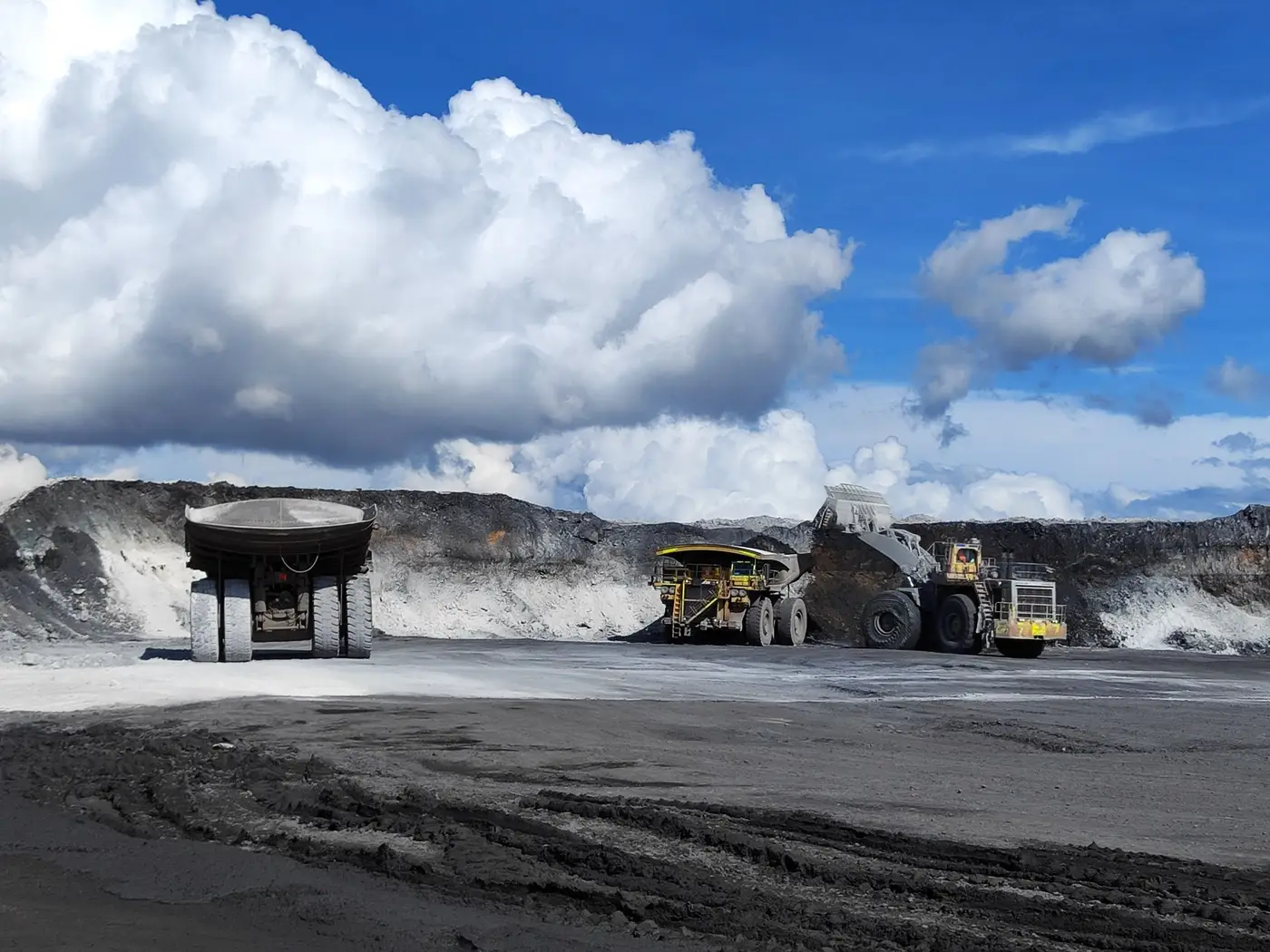
A pit count taken once tells you what was parked on the bench that day. Fleet mix drift is the separate, slower pattern: the gradual change in which manufacturer's haul trucks, excavators and dozers make up a site's working fleet, measured across a run of months rather than at one moment.
Drift is normal. Fleets don't flip overnight from one OEM to another. A mine manager swaps trucks in batches as rebuild cycles hit, as a maintenance contract comes up for renewal, or as a new pit phase opens and gets equipped to match whatever the site already runs best. Over a year or two, a pit that looked solidly Komatsu can end up a third Cat, or a Liebherr dozer fleet can quietly replace a Cat one truck at a time. None of that shows up in a single count. It only shows up when you line counts up against each other.
Why one count can't carry the signal
A single pass gives you a roster: so many haul trucks by type, so many excavators, so many dozers, broken out by manufacturer, useful on its own for sizing a competitor's installed base at that site on that day. It answers how many and whose. Whether that mix is changing takes a second read to see. Two mines can post the identical count on the same day and be headed in opposite directions, one adding units of a given OEM every quarter, the other running them down to zero as leases expire.
A regional sales team tracking a rival OEM's installed base wants to catch a swing at a specific pit before the next tender comes up, not after the order's already placed. A single count, however accurate, can't distinguish a site mid-transition from one that's settled into a stable mix. Repeating the same count across months is what makes the difference visible.
What month-to-month tracking shows
Pull the same pit on a monthly cadence and a few patterns tend to surface. A truck count that holds steady for the excavator and dozer lines but climbs for one OEM's haul trucks points to a fleet renewal in progress, the kind that usually started with a handful of units and will keep going until the swap is done. A pit where every manufacturer's count stays flat month after month is one where nobody's buying right now, which is its own useful signal if you're trying to time an approach. And a count that jumps all at once, rather than drifting, usually means a new phase or cutback came online rather than a straight OEM substitution.
None of this requires walking onto the lease or getting a tip from someone on site. It's the same haul truck, excavator and dozer counts an analyst already pulls per pit, read across a time series instead of as a one-off. A pit-by-pit fleet roster that updates on a monthly pass turns a count into a trend line: the manufacturer-type mix at each site, tracked over the months it takes that mix to move.
Reading drift without overreading it
Drift is slow by nature. A one- or two-month change is usually noise, equipment in for service or a unit idled for a shift change. The pattern worth acting on is the one that holds across several consecutive passes in the same direction. And drift at one pit doesn't necessarily say anything about the rest of an operator's portfolio. A fleet renewal at a single site can be a local maintenance decision rather than a company-wide OEM switch, so the read should stay scoped to the pit it's measured at until more sites show the same movement.
If you're sizing a competitor's installed base and want the trend, not just the day's count, that's the use case Mine Fleet OEM Share is built around.