Pit report · October 13, 2026
What is fleet standardization, and why do some pits run one OEM?
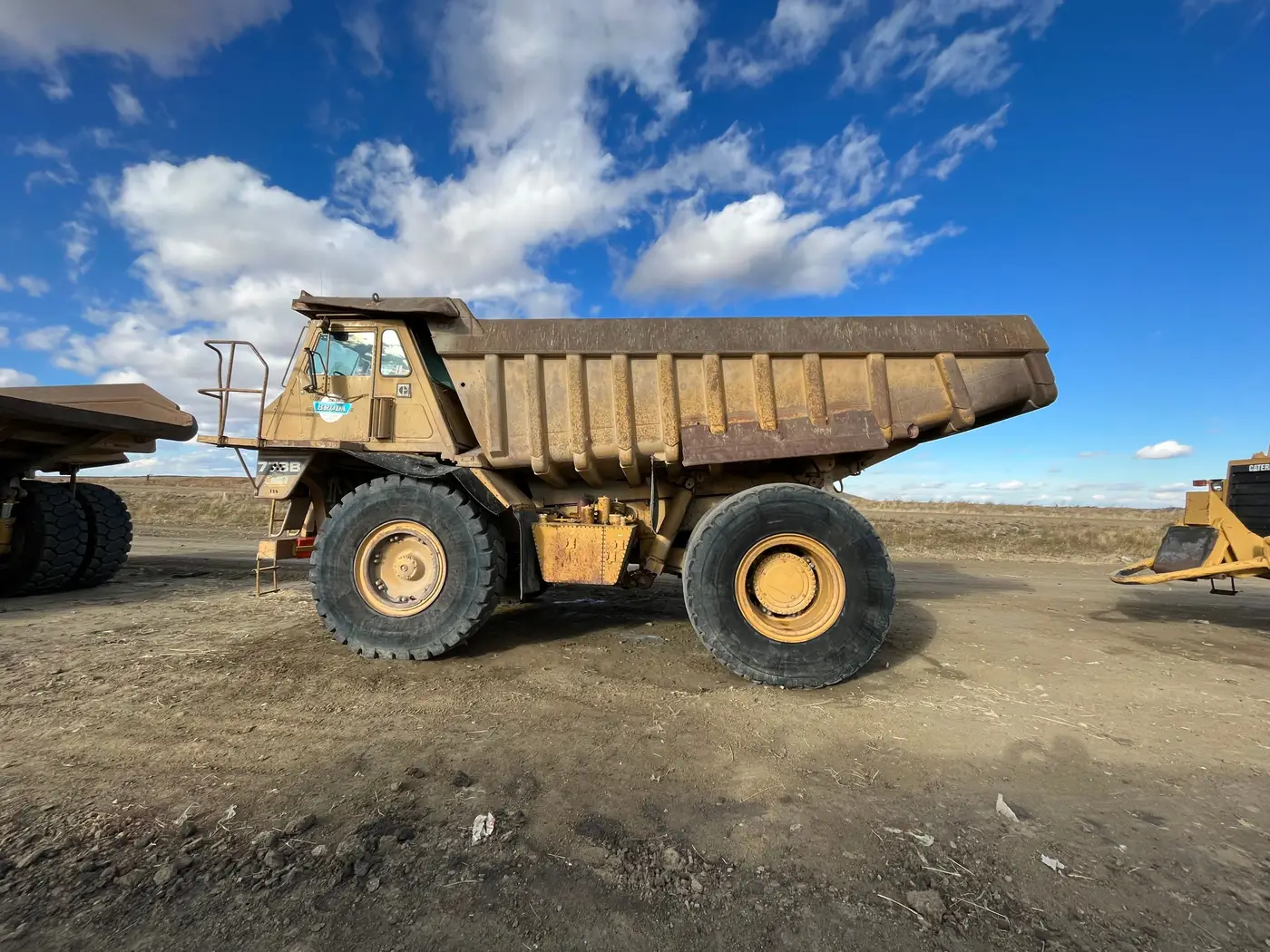
Walk into a site office at a single-brand pit and you'll usually hear the same line: "we're a Cat site" or "we're a Komatsu site." Fleet standardization means a mine has deliberately built its haul trucks, excavators and dozers around one manufacturer rather than mixing brands machine by machine. It's a purchasing posture, not an accident, and it shows up in the yard long before it shows up in any annual report.
The logic is parts and people, not brand loyalty. A single-OEM pit carries one spares inventory instead of three. Mechanics train on one electrical architecture, one hydraulics platform, one diagnostics tool. Operators move between a 793 and a 785 without relearning the cab.
When a site signs a long-term maintenance and repair contract, usually called an MARC or MSA depending on who's writing it, that contract is priced against a known fleet mix. Add a second OEM's haul trucks into that fleet and the dealer's cost model, parts kitting and technician certifications all have to flex for a minority of units. Most site managers decide that flex isn't worth it unless the second OEM is solving a problem the first one can't.
Why a pit settles on one OEM
Standardization usually traces back to one of three moments: a greenfield build where the owner picked a dealer relationship up front, a fleet renewal where the incumbent OEM won the replacement cycle outright, or a long-running MARC that locks purchasing to one brand for the life of the contract. Once a pit is a few years into that arrangement, switching costs compound. New operator certifications, a second training pipeline, duplicate critical spares on site, and a dealer relationship that has to be rebuilt from scratch all work against bringing in a competing brand, even one with a better unit price on paper. That's the lock-in: not a contract clause so much as the accumulated cost of undoing years of parts commonality and training investment.
What a mixed fleet actually signals
A mixed fleet at a mature site is usually a record of history rather than indecision. Brownfield expansions inherit whatever fleet the prior owner ran. Joint ventures split purchasing between partners with different incumbent relationships. A site that grew by bolt-on pit additions may be running three generations of haul trucks from two OEMs because each expansion phase was procured separately, years apart, under different management. Mixed fleets also show up where a site deliberately dual-sources, often on the excavator or dozer side, to keep two dealers competing on service pricing rather than handing one OEM a captive account.
The practical tell is which equipment class is mixed. A pit that's single-brand on haul trucks but runs a second OEM's dozers for support work is making a narrower bet than a pit that mixes brands across every class. The haul truck fleet is where the MARC money sits, so that's usually the last class a site will split.
Reading the mix from outside the gate
None of this shows up in a press release. An OEM's own sales team knows its signed contracts, but has no reliable read on what a competitor's installed base looks like at a specific pit, or whether that pit's next renewal is a lock-in renewal or an open bid. That gap is exactly what a pit-by-pit roster of haul trucks, excavators and dozers by manufacturer, tracked monthly, is built to close. Instead of inferring fleet mix from a dealer's press release or a trade show stand, you get a count at the pit, updated often enough to catch a renewal cycle before it's announced.
If you're sizing a competitor's installed base pit by pit rather than guessing from their investor deck, that's the problem Mine Fleet OEM Share is built around.