Pit report · November 2, 2026
Field notes: the week a Chinese-built haul truck showed up at a Tier-1 pit
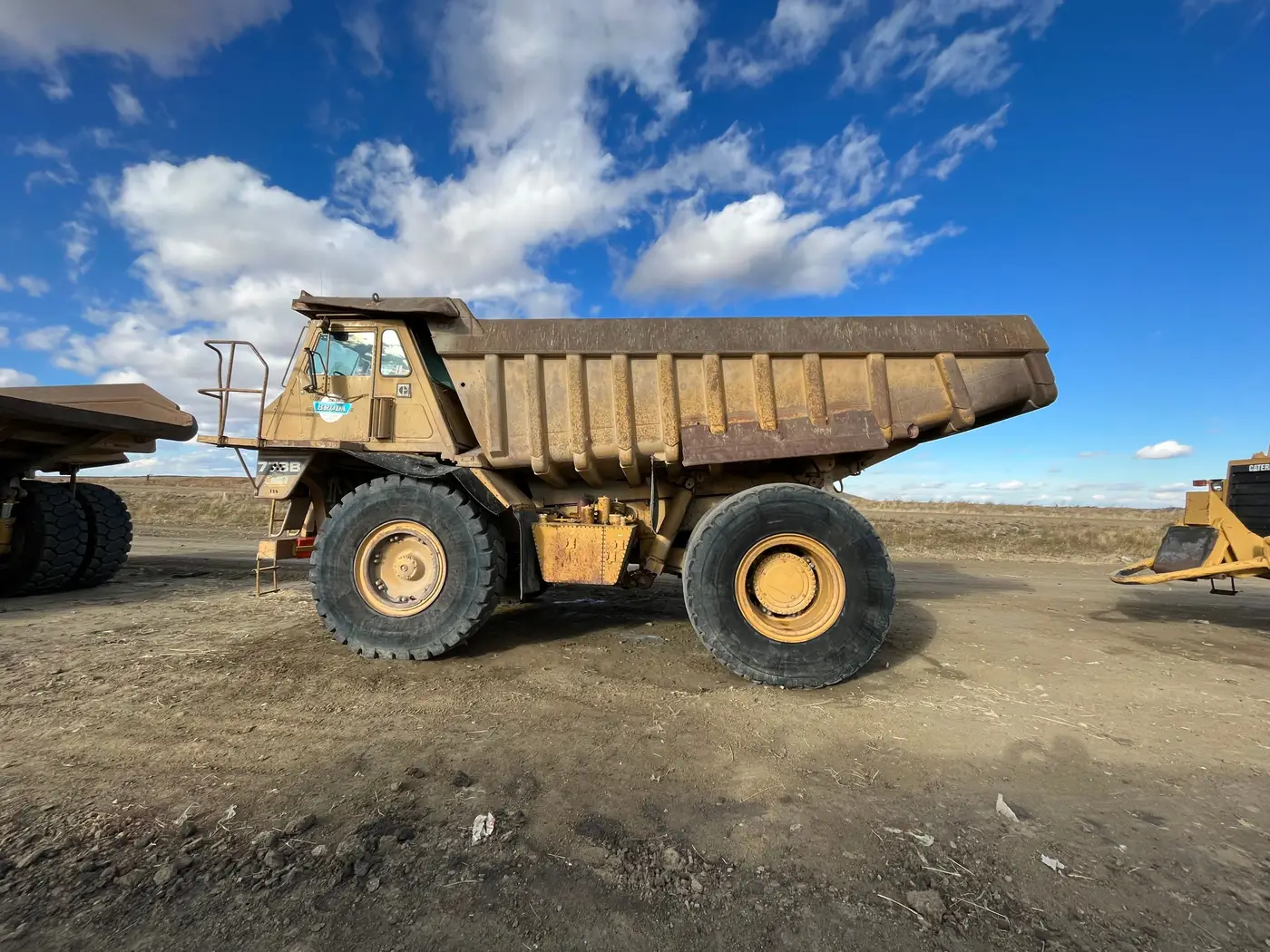
A photo went around a few trade group chats a couple of weeks back: a single XCMG rigid-frame haul truck, parked at the edge of a load zone, flanked by a dozen 793s that had clearly been there since the mine's original design basis. No press release attached to it, no announcement from the producer, just a phone photo with a caption along the lines of "anyone else seeing this."
That's usually how these things surface now. Not a procurement notice, not an earnings call mention, just one truck in a frame full of incumbent iron.
For anyone who tracks fleet composition for a living, this is the part of the cycle that matters more than the headline OEM wins do. A Tier-1 producer doesn't swap its whole haulage fleet on a whim. What it does, when it's genuinely evaluating a new builder, is drop one unit into an active pit and let it run alongside the fleet it already trusts. One truck, maybe two, doing the same cycle as the 793s and 980s next to it, under the same haul road conditions, same grade, same dispatch system. If it holds up through a few maintenance intervals, more show up. If it doesn't, the photo disappears and nobody mentions it again.
XCMG, SANY, and the other Chinese-built mining equipment makers have been knocking on Tier-1 doors for a few years now, mostly at smaller operators and in markets where parts logistics favor a regional supplier over a global dealer network. Seeing one inside a pit built around Cat and Komatsu purchasing agreements, with rebuild schedules and parts inventories already committed to those platforms, is the part worth watching. Running a third truck class through the same shop and the same operator training pipeline adds real integration overhead, on top of whatever the truck itself costs. Someone in procurement wanted performance data badly enough to absorb that cost, and that appetite is the real signal.
This is also exactly the kind of move that's close to invisible if you're relying on anything public. There's no SEC filing for a single haul truck. The OEM's own investor materials will talk about "expanding presence in key mining markets" in a sentence vague enough to cover a hundred possible pits. The producer isn't going to confirm or deny a trial, because confirming it hands the incumbent a bargaining chip for the next negotiation, and denying it just delays the question. The only way you know the truck is there is if you can see the pit, and you can see it often enough to notice when the mix changes.
That's the gap a monthly pass at every active lease is built to close. Instead of waiting for a dealer-conference anecdote or a photo from someone who happened to be driving past, a pit-by-pit roster of haul trucks, excavators and dozers by manufacturer type, tracked month over month, catches the pilot unit the week it lands and tells you whether it's still there six months later, and whether it brought company. We lay out how that works on the Mine Fleet OEM Share home page: pit-level counts that track how many of a given OEM's trucks are actually moving dirt, month over month, rather than relying on a single photographed pilot unit.
For a market-intelligence team sizing a competitor's installed base, one truck at one pit is worth logging on its own. It's the first data point in a trial that either stalls out in a shop bay or turns into a fleet order two years from now, and the only way to tell which is to keep watching the pit after the photo stops circulating.
If you'd rather see that kind of fleet-mix shift as a trend line than a rumor, take a look at what a monthly pit-by-pit count can show you.