Pit report · October 26, 2026
What counts as an active pit when you're sizing a competitor's fleet
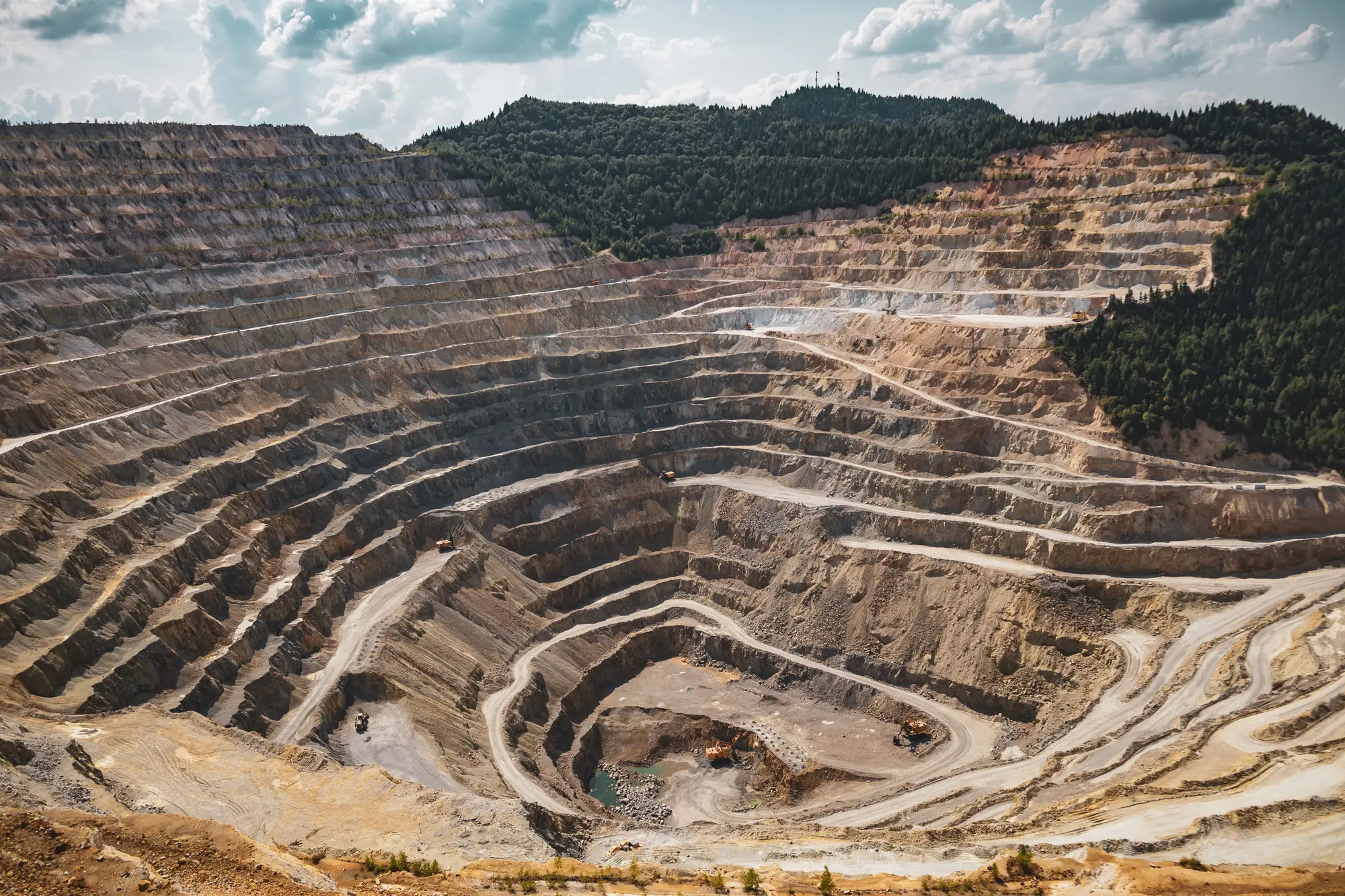
If you're building a pit-by-pit roster of a competitor's fleet, the first decision point is which pits even belong on the list. Get that wrong and every count downstream is off, because you've counted equipment at a pit that never should have made the roster.
This matters more than it sounds like it should. A mine site can have six, eight, a dozen pits under one permit, and at any given month some of those are being cut, some are on standby, and some have been idle for years waiting on a reserve decision or a price recovery. Lump them together and your fleet-share numbers for that operator get muddied by trucks sitting on a bench that hasn't moved material since last winter.
Active pit, in practical terms
There's no single regulatory definition an analyst can just cite and be done with it. "Active" in a reserve-reporting sense, a pit the company still counts in its mine plan, is one thing. "Active" in a fleet-sizing sense, a pit with equipment currently moving dirt, is another. You care about the second one.
To count haul trucks, excavators and dozers by manufacturer, a pit is active if it shows fresh disturbance: new bench advance, a working face with recent cut lines, haul roads with wear patterns that aren't grown over, and equipment staged or working on the pit floor rather than parked at a laydown yard. A pit that's flooded, that shows no bench advance over several passes, or where the equipment hasn't changed position month to month, isn't active for this purpose even if the company's annual report still lists it as a producing asset.
Seasonal pits complicate this further. Plenty of operations idle specific pits for wet season or run a rotation across three or four pits with one or two crews. Look once and you'll misclassify a pit that's active eight months a year as dormant, or the reverse. That's the whole argument for a monthly pass instead of a one-off look: status is a timeline, not a snapshot.
Dormant doesn't mean closed, and that distinction matters for your count
A dormant pit can still have equipment sitting on it. Idled trucks parked in rows, a dozer left at the ramp, an excavator mothballed near the pit crest. Count hardware without checking whether it's working and you'll inflate your estimate of an operator's active fleet by counting iron that isn't earning hours. The fix is to separate two questions that get blurred together: how much equipment does this operator own at this site, and how much is deployed right now. Most fleet-sizing work cares about the second question, because that's what tells you about current production intensity and what's coming up for replacement.
The practical tell, pass to pass, is movement. Equipment in the same spot, same orientation, three months running is parked. Equipment whose position shifts, whose haul routes show new track, and that sits near an active working face, is deployed. A single pass can't show you that difference. A time series can.
Why pit status changes the roster you hand to your team
If your fleet-share numbers feed a sales territory model or go to management, a pit misclassified as active or dormant throws off more than one pit's worth of count. It can make an operator's manufacturer mix look more OEM-concentrated or more fragmented than it is, depending on which pits got swept into the total. Getting pit status right before you count equipment type is the part of the job that doesn't show up in the final table but determines whether that table is usable.
Mine Fleet OEM Share builds that pit-by-pit roster on a monthly cadence specifically so status isn't a one-time call. It gets tracked, pit by pit, alongside the manufacturer-type counts.
If sizing a competitor's installed base pit by pit is part of your job, it's worth seeing how that roster gets built.